
Statement Furniture: How to Furnish Around a Piece That Commands the Room


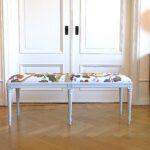

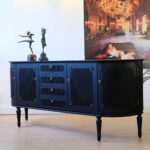
A statement piece draws the eye and sets the tone of the room. It might be a sideboard, a chest of drawers or an armchair with real character: a piece that does more than serve a function and shapes the overall impression of the interior.
Often a single striking piece is enough to create a personal, considered home. Instead of many pieces competing for attention, the statement piece becomes the natural centre of the room.
Examples of furniture that works as a statement: Sideboards, Chests of drawers & bedside tables and Armchairs.

What Is a Statement Piece?
A statement piece is defined by a clear expression. It might be colour, form, material or proportion, but above all it is presence. The piece brings identity and makes the room feel less arbitrary.
Many statement pieces are redesigned furniture, in which classic quality is combined with modern design and a high-quality finish.
Principle 1: Let One Piece Dominate
A common mistake is to try to create impact through many strong objects. It works better to let one piece play the leading role while the rest of the furnishings stay more restrained.
A good example is a redesigned Art Deco sideboard, which can take centre stage against a calm wall.
Principle 2: Create Contrast
Statement pieces work best when they stand out from their surroundings. A classic piece in a modern colour creates tension in a minimalist room, while a dark piece gives weight to a light setting.
Contrast can come from:
- Colour against neutral walls
- Classic forms in modern rooms
- A matt finish beside glossy materials
- Graphic details beside soft textiles
Principle 3: Placement Determines the Effect
Placement is decisive. Statement pieces need space around them so that their form is clearly perceived.
- Against a clear wall
- In the natural line of sight of the room
- Beneath art or a mirror
- As the end point of an axis through the room
One example is a modernised chest of drawers in the hallway, which greets visitors directly.
Principle 4: Combine Function and Aesthetics
The best statement pieces are used every day. Storage, seating comfort and function let the piece sit naturally in the room, rather than looking like an exhibit.
A designer armchair, for instance, can be an accent and a comfortable place to sit at the same time.
Statement Furniture in Different Rooms
Living room
A larger sideboard can serve as the visual anchor of the room and carry art as well as lighting.
Hallway
A chest of drawers with character shapes the first impression of the home and combines aesthetics with practical storage.
Bedroom
A chair or a smaller piece brings personality without making the room feel heavy.
Why Redesigned Furniture Works So Well
Redesigned furniture often strikes a balance between history and modernity. This lets it feel unique without being prone to trends.
More about the process: The process behind a redesigned piece of furniture.
Frequently Asked Questions About Statement Furniture
Does the whole room have to match the statement piece?
No. On the contrary: statement pieces work best when the rest of the furnishings are kept understated.
How many statement pieces should you have?
One per room is often enough. Too many strong objects easily create a restless impression.
Which type of furniture is best suited?
Sideboards, chests of drawers and armchairs are particularly well suited because they combine a clear form with practical function.
Discover more pieces: All pieces.