
Swedish Grace: The Materials and Details That Define the Style


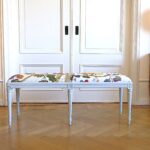
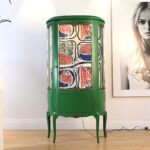
At heart, Swedish Grace is less about decoration and more about materials, proportions and precision. It is a design style in which the details are seldom exaggerated, but where every choice, from the type of wood to the fittings, contributes to the whole.
That is precisely why materials and execution are decisive for understanding the style. If you would like an overview first, you can read: Swedish Grace: Swedish design between classicism and modernism.
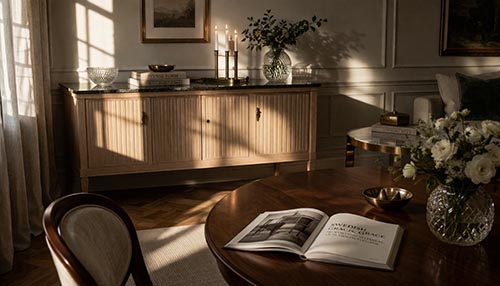
Materials in Swedish Grace
The choice of materials in Swedish Grace is consistently careful. The focus is on quality, texture and how surfaces interact with light and form.
- Solid wood and fine veneers
- Stone such as marble or limestone
- Metals such as brass and bronze
- High-quality textiles in natural tones
It is not about using many materials, but about using the right materials in the right way.
Surface treatment and finish
Surfaces in Swedish Grace are often carefully worked to bring out the natural qualities of the material. Wood may be polished or satin-matt, while stone and metal are given a subtle lustre rather than a high gloss.
This kind of finish makes the furniture feel alive without becoming visually heavy.
Details that strengthen the whole
Details in Swedish Grace are seldom the focus, but they are always well considered. Fittings, handles and lines are often discreet but precisely placed to create balance.
- Small fittings in brass or metal
- Symmetrical lines and divisions
- Subtle mouldings in wood
- Integrated details rather than applied ones
It is precisely this restraint that sets the style apart from more decorative expressions.
How it differs from more decorative styles
In Art Deco, for example, materials and details are often used to create contrast and visual effect. Swedish Grace instead works with a more cohesive feel in which the materials merge into a whole.
If you would like to see the differences more clearly, you can read: Swedish Grace vs Art Deco.
The role of materials in modern interiors
In today’s homes, it is often the feel of the materials that makes Swedish Grace relevant. The combination of natural materials and considered design creates a calm and exclusive feeling that works in many different settings.
For inspiration on how this is used in practice, you can read: Swedish Grace in modern interiors.
From craftsmanship to modern redesign
Many pieces inspired by Swedish Grace are based on older constructions in which the quality of the materials is already high. Through renovation and redesign, these pieces can be given a new look without losing their original feel.
That is why redesigned furniture often sits close to Swedish Grace in expression: it combines older craftsmanship with modern needs and aesthetics.
Materials and details in Swedish Grace show that it is not always the broad strokes that define a style, but how each small part contributes to the whole.
Marquetry: the signature of the style
What sets Swedish Grace apart from the Gustavian style and from Functionalism more than anything else is marquetry: thin pieces of veneer in different woods, laid into the surface of the furniture to form a motif. The motifs are classical and small: a medallion with an urn or flower basket, a stylised fan, a frame of pale wood around a dark front, a star in a tabletop. The technique demands skill and time and was what the joineries competed on. In a restoration we assess the marquetry first: if it is intact, we preserve it, often as the only visible wood on an otherwise black-lacquered piece, where it becomes a jewel. If it is damaged, it can be completed using the same woods, but that is specialist work.
Fittings, locks and keys
The fittings on Swedish Grace furniture are small and discreet: round or teardrop-shaped knobs in brass or blackened metal, brass escutcheons, occasionally a simple wooden handle. Almost all cabinets and chests of drawers had locks, and the key is often missing. We make or fit keys and restore the original locks, because a working lock with a key in the escutcheon is part of the character of the piece. Missing fittings are replaced with period-appropriate ones, never with modern ones. How it all comes together in a room is described in the article Swedish Grace in modern interiors.
Frequently asked questions
Shellac or lacquer: which is the right finish?
The original finish was shellac polish. We use it on pieces that keep their veneer, and modern lacquer on pieces that are given a new colour. Lacquer is more resistant to water and wear.
May the fittings on a piece of Swedish Grace furniture be replaced?
Yes, if the originals are missing or defective. Keep the size and position of the originals, otherwise old holes and marks will remain visible.
How do I care for a veneered piece of furniture?
Dry or slightly damp, never wet. No direct sunlight, no hot vessels on the surface, and keep the humidity stable, otherwise the veneer will lift.