
Antique Drinks Cabinets: Classic Drinks Cabinets With History and Character


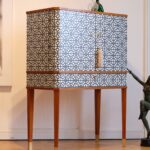


An antique drinks cabinet is more than a piece of storage for bottles and glasses. It is a piece with history, presence and a design language that often carries traces of another era. That is exactly why many people who want to furnish a home with more personality and less mass-produced furniture value antique drinks cabinets.
Many older drinks cabinets have a quality of construction that makes them especially interesting even today. Material, proportions and details give them an expression that new production can hardly replicate, and they continue to work superbly in modern homes.
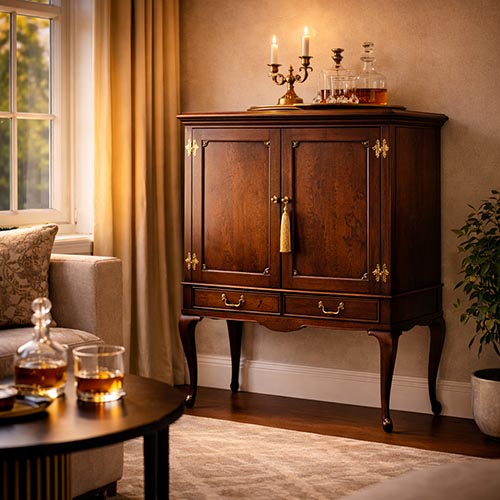
What Is an Antique Drinks Cabinet?
The term antique drinks cabinet is often used quite broadly. In practice it can refer to older drinks cabinets of considerable age as well as to furniture with a classic look, even if it is not an antique in the strict sense.
An antique drinks cabinet is usually characterised by:
- Solid materials and sturdy construction
- Details such as fittings, ornaments or moulded lines
- A design language that clearly reflects an earlier design era
- Patina and character that have grown over time
It is precisely this combination of function and history that leads many people to prefer antique drinks cabinets over newly produced alternatives.
Old Drinks Cabinets in Modern Homes
An old drinks cabinet can give a room a particular weight. Where modern furniture can sometimes look visually light or anonymous, older furniture brings depth, contrast and personality. That is why it suits homes that mix the classic and the contemporary especially well.
Many people also use older drinks cabinets as statement pieces: an object that serves a practical function and at the same time sets the tone of the room. You will find more inspiration here: Statement furniture: how to furnish around a piece that commands the room.
When Older Quality Meets New Design
Many antique and older drinks cabinets have such a high basic quality that they lend themselves well to refinement. Through restoration and redesign, the piece is given a new life without losing its original character.
That is why redesigned furniture is so valued. It preserves older craftsmanship and material while letting the piece work in a new context and with a new look.
Antique, Vintage or Retro?
Many people confuse the terms antique, vintage and retro. Antique drinks cabinets are usually associated with great age and classic craftsmanship, whereas vintage drinks cabinets more often refer to furniture from the middle of the 20th century. Retro, in turn, more often describes a look or a stylistic reference.
If you would like to read more about drinks cabinets from the middle of the 20th century, see also our guide: Retro drinks cabinets: vintage drinks cabinets from the 1950s and 1960s.
How Do You Find the Right Antique Drinks Cabinet?
When choosing an antique drinks cabinet, it is worth looking at proportions and use. Consider how much storage you need, where the piece is to stand and how it works with the rest of the furnishings.
- Choose a size that suits the scale of the room
- Look for materials and details that harmonise with the home
- Consider whether you want a more classic or a renewed look
- See the drinks cabinet as function and design object at once
You will find current drinks cabinets and display cabinets in various styles here: Drinks cabinets and display cabinets.
Antique drinks cabinets show how older furniture can be entirely relevant in today’s home, not despite its history but because of it.
Antique Drinks Cabinet: What the Word Really Means
Strictly speaking, a piece of furniture is antique if it is over a hundred years old. A drinks cabinet would therefore have to date from before 1926, and such drinks cabinets hardly exist: the type of furniture emerged in the 1920s with cocktail culture. What is sold as an antique drinks cabinet is therefore almost always one of three things. Either a genuinely old cabinet, often Gustavian or Rococo, that has been converted into a bar with a mirror and glass shelves. Or a drinks cabinet from the 1920s to 1940s, which is old but not antique. Or a 20th-century period-style piece in antique form. All three can be excellent buys, but you should know which one you are looking at. The difference between Gustavian, Rococo and the styles of the 20th century is explained in the respective articles in the guide Scandinavian vintage furniture.
How We Turn an Antique Cabinet Into a Drinks Cabinet
A Gustavian or Rococo cabinet with two doors has perfect dimensions for a bar. We build a new interior: a mirror on the back panel, glass shelves, brass glass holders, a pull-out shelf and LED lighting with a door contact. On the outside the cabinet keeps its form, but often gets a new finish, such as matt black with brass, to answer the illuminated interior. The result is a cabinet that is old on the outside and a bar on the inside. How a piece is transformed without losing its character is described in the article Redesigned furniture.
Frequently Asked Questions About Antique Drinks Cabinets
Do you destroy the value of an antique piece by turning it into a bar?
With a signed, documented piece from the 18th century: yes. With an anonymous period-style piece or a worn cabinet without provenance: no, on the contrary, it gains a new life and a new value. We assess every piece before we touch it.
How old is a typical “antique drinks cabinet” in online classifieds?
Usually 1930s to 1960s. Genuine antiques are rare and are sold through auction houses, not through classified ads.
Which era makes the most beautiful drinks cabinet?
That depends on the room. Swedish Grace and Art Deco of the 1920s and 1930s deliver the most elegant form, the 1950s and 1960s the most practical. Our favourite is a cabinet from the 1930s with a new interior, see the drinks cabinet guide.